Hakusan National Park is named after Mt. Hakusan (“White Mountain”). Located in the western part of central Japan, the park spans four prefectures: Fukui, Gifu, Ishikawa, and Toyama. The Hakusan mountain range consists of three main peaks: Mt. Gozengamine (2,702m), Onanjimine (2,684m), and Mt. Kengamine (2,677m). At lower elevations, Hakusan is covered with lush primeval forests of.. Hakusan (Mount Haku, 白山) is one of Japan’s Three Holy Mountains (三霊山). This guide has everything you need to know about the hike to the top of Hakusan.

70 White Hex Codes to Pick the Perfect Shades of White LouiseM
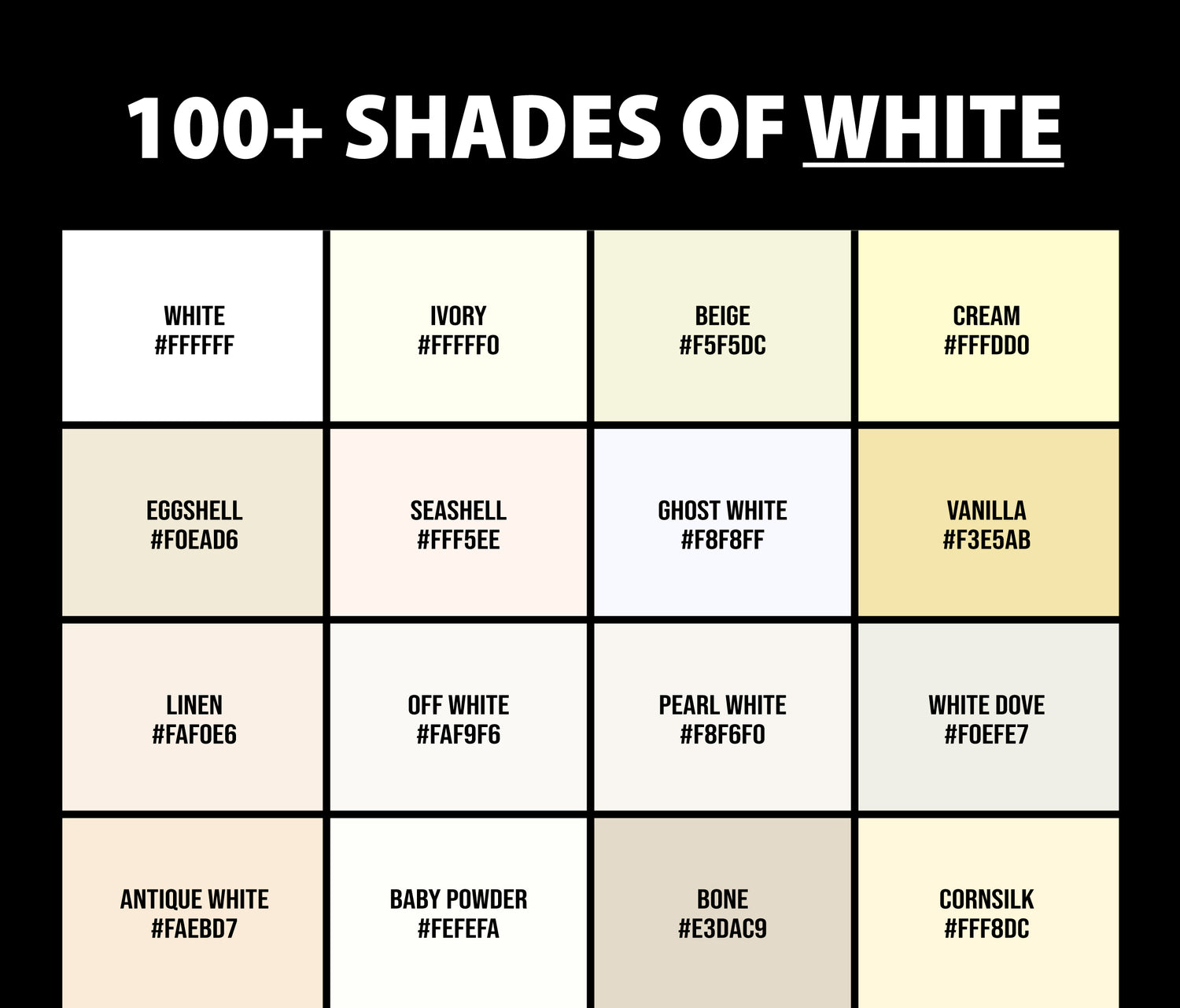
100+ Shades of White Color (Names, HEX, RGB & CMYK Codes) CreativeBooster

Screen

White Color Background Pure White Bright Hình minh họa có sẵn

White Clean Wallpapers Wallpaper Cave

In the Fields White

White The Sewing Centre

What does the color of your website say about you? Inspirationfeed

White

Background White ·① Download free beautiful wallpapers for desktop and

Color Color White Florim

White Rose with Greenery Bridal Bouquet Simple wedding bouquets

White Color Photos, Download The BEST Free White Color Stock Photos

Finishes onefortythree

WHITE ABP Group

The Serene White Color Significance of White Color in Astrology

White Color The Palette of Possibilities (Symbolism, Psychology, and

Pure White Background Hd

White

White Out Everything You Need to Know About the Color White
Hakusan, or Mt. Haku, is one of Japan’s three holy mountains along with Mt. Fuji and Tateyama. It’s a long but easy hike offering both free and paid mountain huts. It’s somewhat difficult to access due to the infrequent bus schedule, so a car is generally recommended. The bus stop and parking are located at the Bettodeai trailhead which has two options, an easy and mild approach up through the.. Mount Haku, called by the Japanese and in this article as Hakusan, has footing in three different prefectures: Ishikawa, Fukui and Gifu. Along with Tateyama in Toyama Prefecture and the most well-known Fuji, Hakusan is one of Japan’s Three Holy Mountains, beloved not only for their grand size and beauty, but as kami, Shinto gods in and of themselves. Photo by Nik van der Giesen “Thank you.